
Description
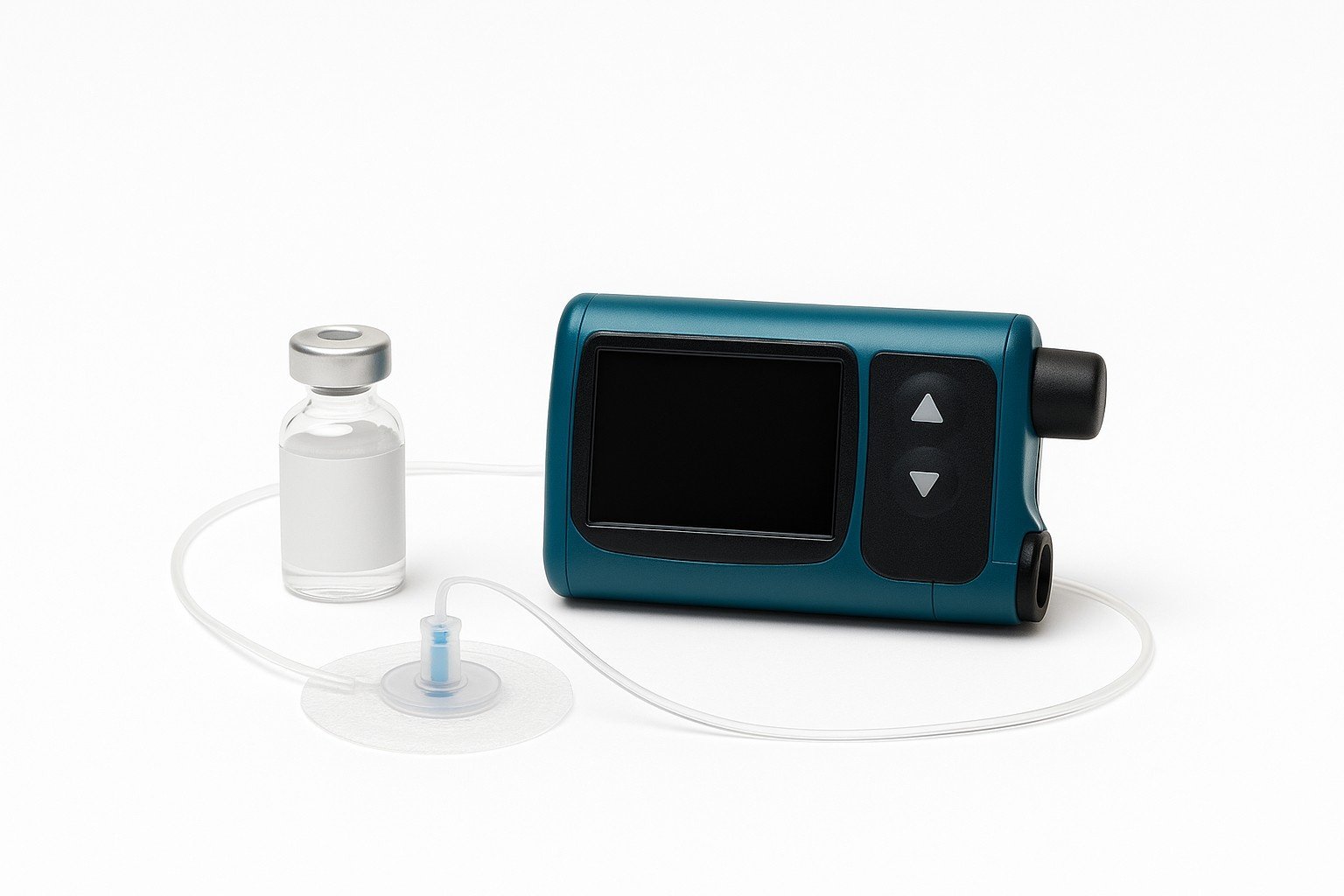
An insulin infusion pump is a small, computerized medical device used by individuals with diabetes to deliver insulin continuously throughout the day. It helps maintain optimal blood glucose levels by mimicking the insulin delivery of a healthy pancreas.
What It Is
-
Device: A compact unit that delivers insulin through a thin catheter placed under the skin, typically on the abdomen.
-
Insulin Delivery: Provides a controlled and steady flow of insulin, improving glucose management and lifestyle flexibility.
How It Works
-
Basal Rate
-
Delivers a continuous, low-level dose of insulin 24/7 to keep blood sugar stable between meals and overnight.
-
-
Bolus Doses
-
Users can manually program extra insulin (bolus) during meals or to correct high blood sugar spikes.
-
-
Customization
-
Insulin delivery can be tailored to fit individual needs, based on physical activity, meal size, or insulin sensitivity.
-
Benefits
-
✅ Improved Blood Sugar Control
-
Offers more precise insulin management compared to multiple daily injections (MDI).
-
-
✅ Lifestyle Flexibility
-
Allows for flexible meal timing, exercise, and daily routines.
-
-
✅ Data Tracking
-
Most pumps offer tracking features or integrate with continuous glucose monitors (CGMs) to help analyze trends and adjust settings.
-
Considerations
-
⚠️ Learning Curve
-
Requires training and proper setup to use effectively.
-
-
⚠️ Regular Monitoring
-
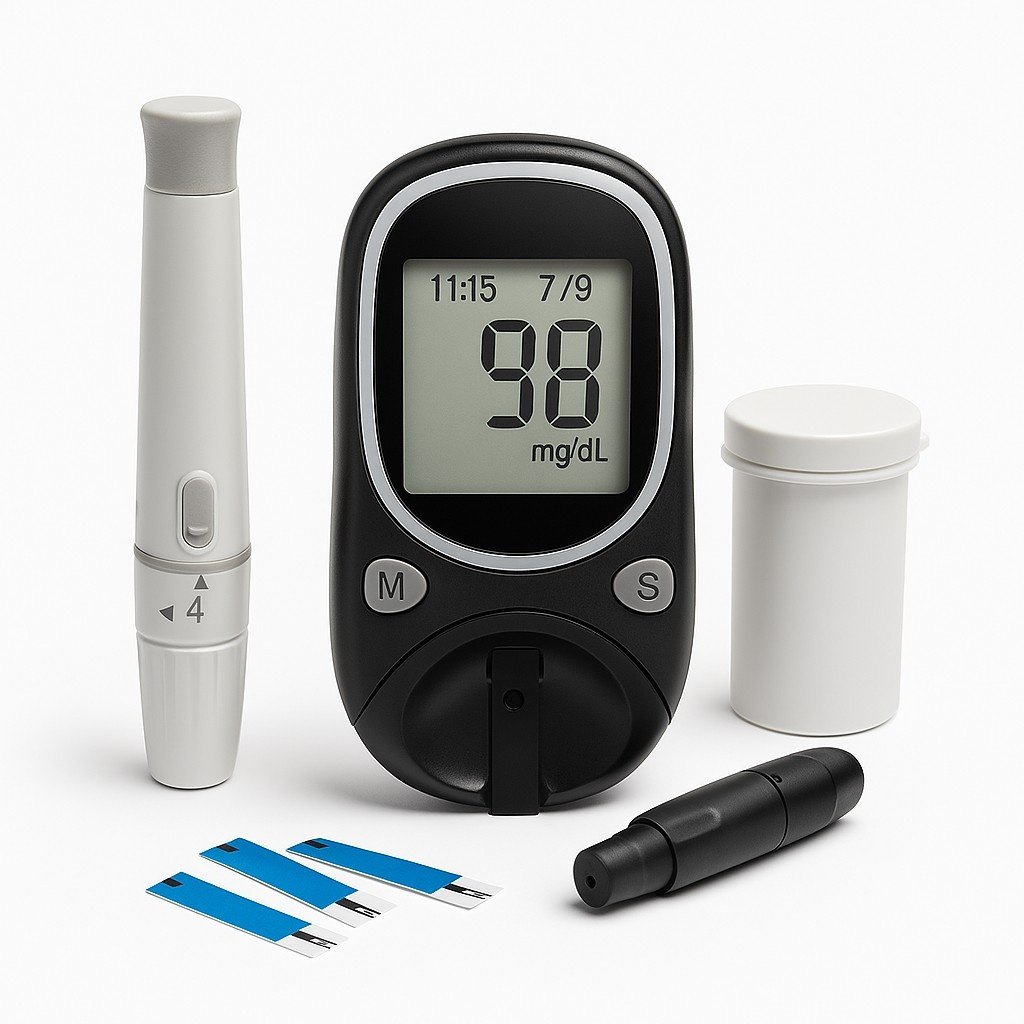
Users must still check blood glucose regularly (or use a CGM).
-
-
⚠️ Ongoing Maintenance
-
The infusion set must be changed every 2–3 days to prevent infections or occlusions.
-


Reviews
There are no reviews yet.