
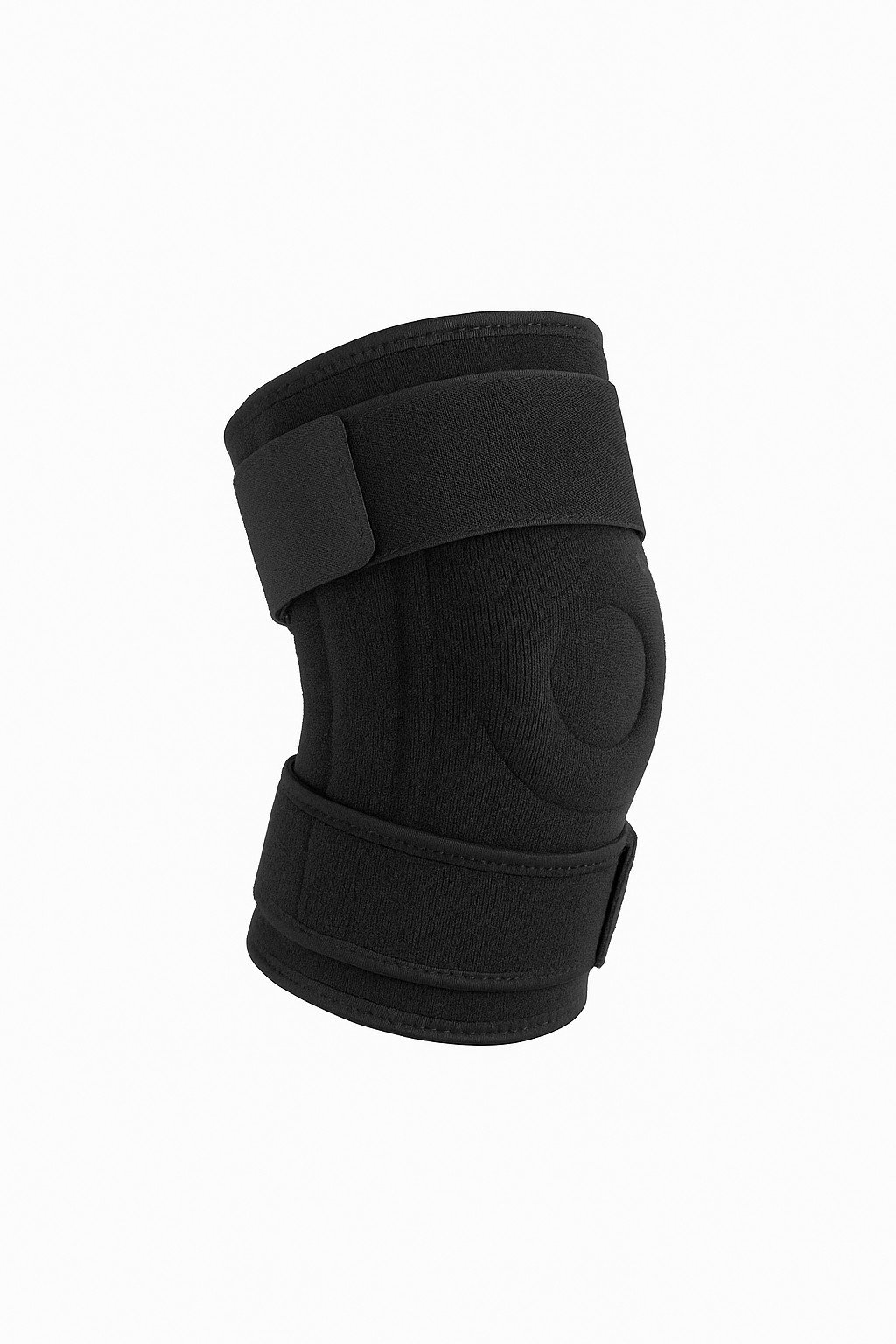
Description
Elbow braces are orthopedic devices designed to provide support, reduce pain, and aid healing for a variety of elbow conditions and injuries. They are commonly used in both sports medicine and rehabilitation settings.
Types of Elbow Braces
-
Compression Sleeves
-
Made from elastic, stretchable fabric.
-
Offer mild support and warmth.
-
Improve blood circulation and reduce swelling.
-
Ideal for minor strains, fatigue, or chronic discomfort.
-
-
Strap Braces (Counterforce Braces)
-
Feature a small adjustable strap that applies pressure below the elbow.
-
Commonly used for:
-
Tennis Elbow (Lateral Epicondylitis)
-
Golfer’s Elbow (Medial Epicondylitis)
-
-
Helps relieve strain on tendons during activity.
-
-
Stabilizing Braces
-
Offer moderate to high support.
-
Often include hinges or reinforced sides.
-
Suitable for:
-
Ligament injuries
-
Post-operative recovery
-
Moderate sprains
-
-
-
Rigid Braces
-
Constructed with hard plastic or metal supports.
-
Provide maximum immobilization.
-
Used for severe injuries, fractures, or after elbow surgery.
-
Key Benefits
-
✅ Pain Relief
-
Reduces strain and pressure on tendons, ligaments, and joints.
-
-
✅ Joint Support
-
Helps stabilize the elbow during repetitive motion or physical activity.
-
-
✅ Injury Recovery
-
Aids healing by restricting harmful movement and promoting rest.
-
-
✅ Prevention
-
Helps avoid re-injury during rehabilitation or return to sports.
-
Choosing the Right Elbow Brace
-
Consult a Healthcare Provider
-
Get a professional evaluation to choose the correct brace type for your condition.
-
-
Fit and Comfort
-
A good elbow brace should be snug but not overly tight.
-
Watch for signs of restricted circulation or skin irritation.
-
-
Material
-
Look for breathable, moisture-wicking fabric if wearing for extended periods.
-
For active use, braces with non-slip linings and adjustable straps are ideal.
-


Reviews
There are no reviews yet.