
Description
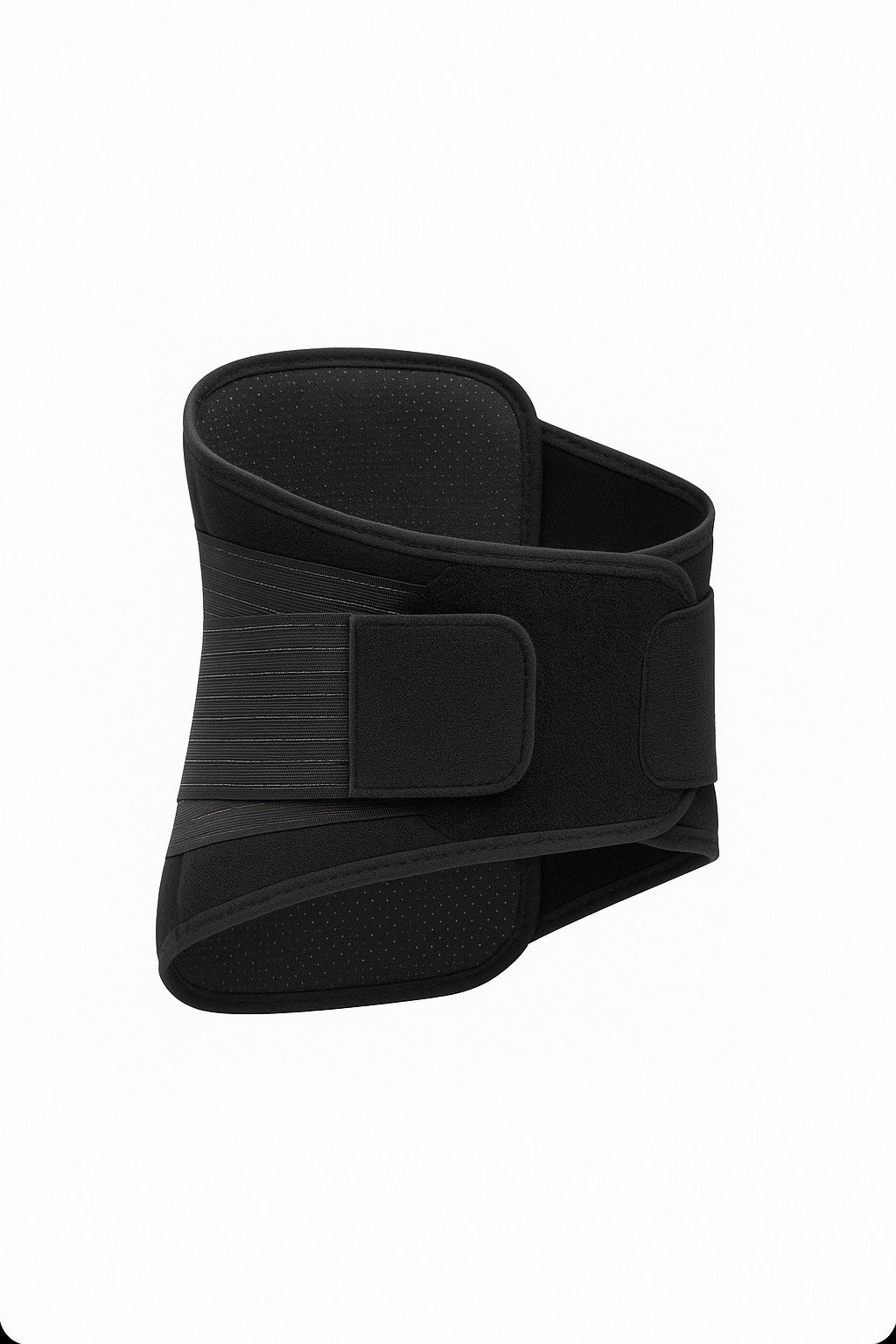
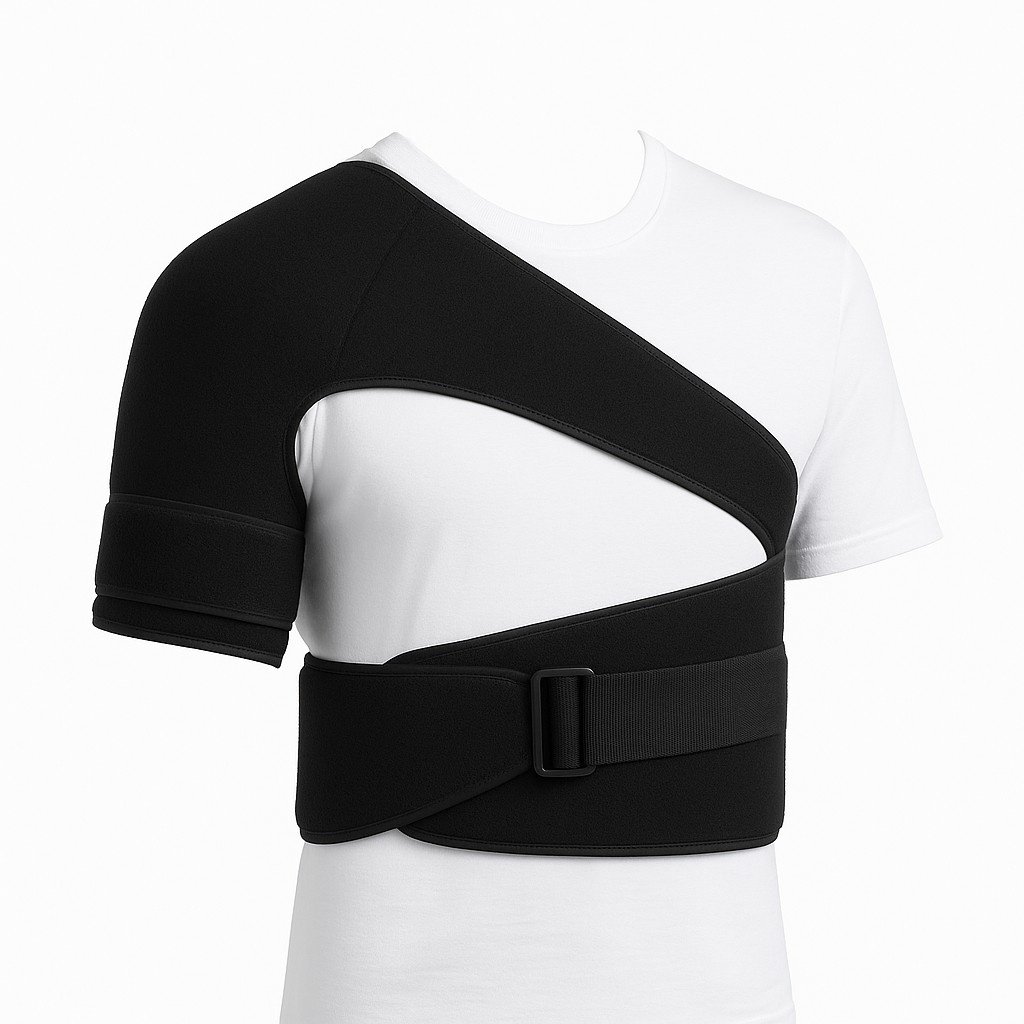
Back braces are supportive devices designed to stabilize the spine and relieve lower back pain, improve posture, or assist in post-surgical recovery. They are commonly used in both medical and occupational settings.
Types of Back Braces
-
Lumbar Support Braces
-
Designed for the lower back (lumbar spine).
-
Used for chronic back pain, herniated discs, or injury recovery.
-
Often worn during lifting or physical work.
-
-
Posture Correctors
-
Help align the spine, shoulders, and upper back.
-
Useful for those who sit or work at a desk for long hours.
-
Prevents slouching and supports better posture habits.
-
-
Abdominal Binders
-
Wrap around the abdomen and lower back.
-
Commonly used after abdominal surgeries, C-sections, or during pregnancy.
-
Help reduce pressure and support healing tissues.
-
-
Soft Braces
-
Made from elastic, neoprene, or breathable fabric.
-
Offer mild to moderate support for muscle strains and mild pain.
-
Provide compression and warmth.
-
-
Rigid Braces
-
Built with hard plastic, metal stays, or reinforced panels.
-
Used for severe injuries, spinal fractures, or post-surgical immobilization.
-
Significantly restrict movement to promote healing.
-
Benefits of Back Braces
-
✅ Pain Relief
-
Reduces spinal pressure and muscular strain, especially in the lumbar area.
-
-
✅ Posture Improvement
-
Encourages correct spinal alignment and prevents poor posture habits.
-
-
✅ Stability and Protection
-
Offers essential support during physical activity, rehabilitation, or recovery.
-
Choosing the Right Back Brace
-
Consult a Healthcare Professional
-
Always seek medical advice to determine the appropriate type and duration of use.
-
-
Size and Fit
-
Should fit snugly without restricting breathing or circulation.
-
Poor fit can cause discomfort or worsen the condition.
-
-
Material and Comfort
-
Opt for breathable, moisture-wicking materials if worn long-term.
-
Adjustable straps are helpful for customizing fit.
-


Reviews
There are no reviews yet.